
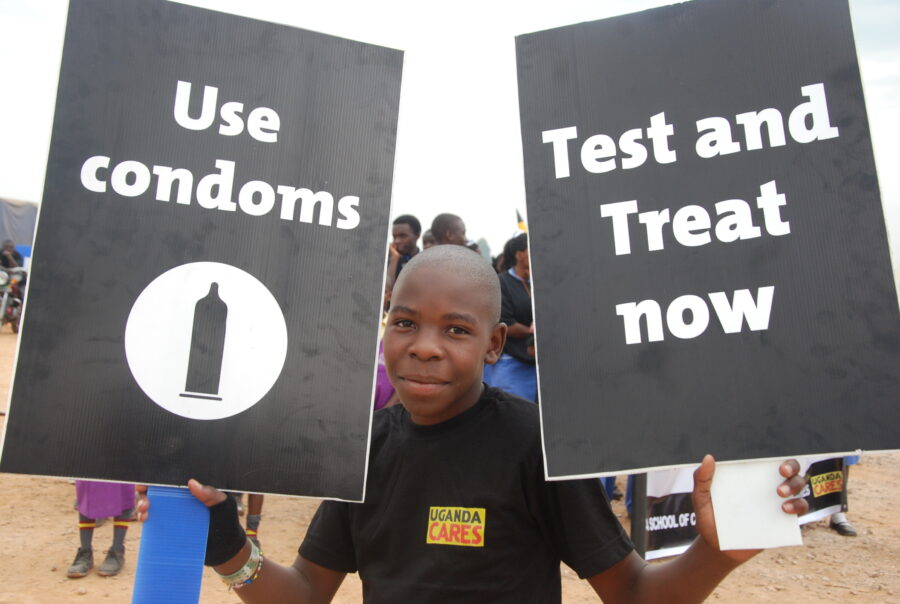
In October 2011, AIDS Healthcare Foundation (AHF) issued a press release stating its position on HIV care: everyone who tests positive should start treatment immediately, regardless of CD4 count.
This clear and uncompromising approach was the culmination of years of advocacy, program development, and real-world experience. It built on earlier global initiatives like 1 Million Tests and Testing Millions, which AHF led and spotlighted around World AIDS Day in 2008 and 2009, respectively.
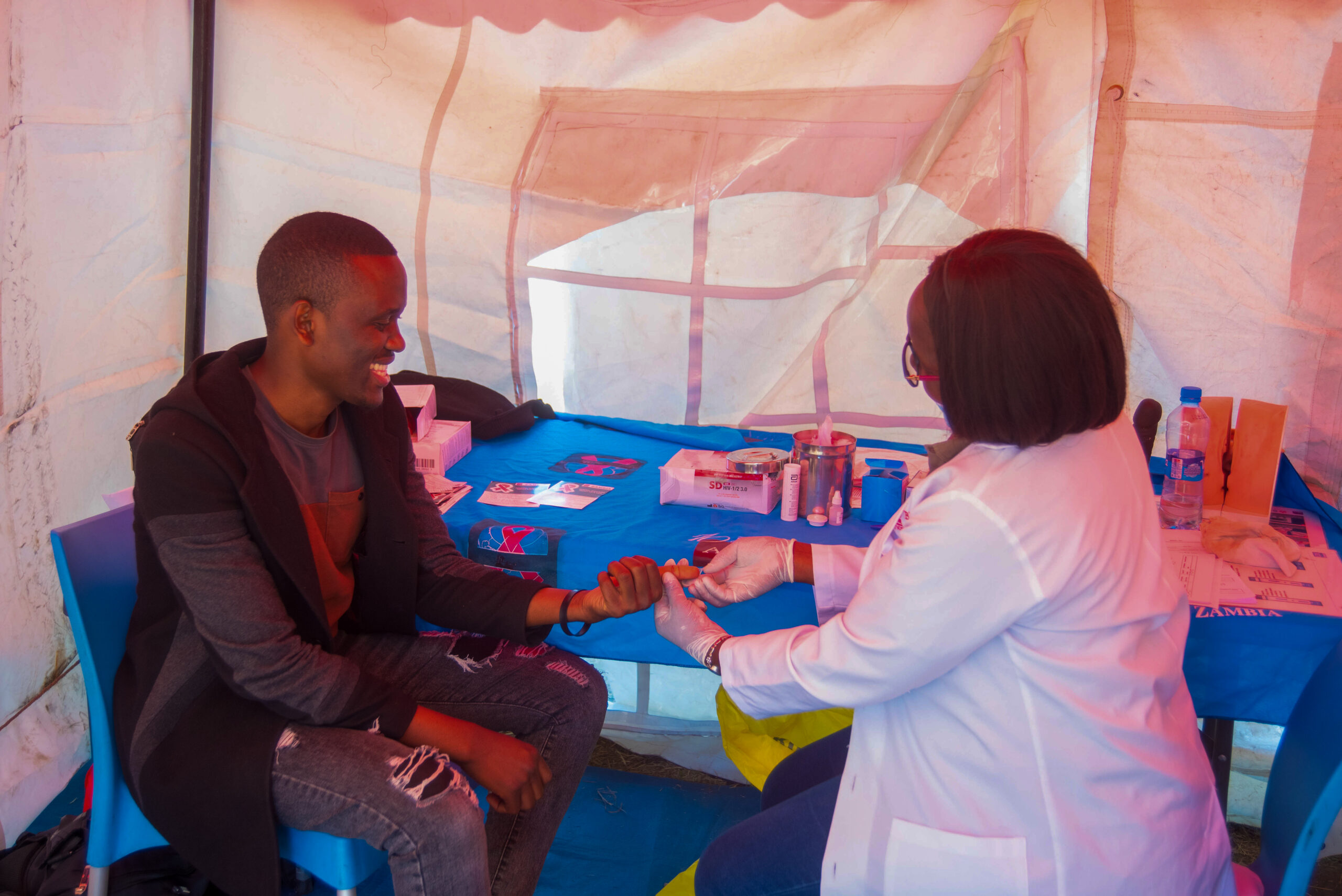
In 2008, AHF launched 1 Million Tests, an ambitious global initiative to dramatically expand access to free HIV testing. The following year, it scaled up with Testing Millions, again using the platform of World AIDS Day to push HIV testing into the spotlight and into the heart of communities worldwide
These efforts moved HIV testing beyond the clinic—into concerts, schools, festivals, markets, and other community spaces—reducing stigma, increasing awareness, and reaching populations often left behind. But they also revealed a fundamental gap: many people who tested positive still weren’t eligible for treatment.
At the time, the World Health Organization (WHO) recommended that people living with HIV begin antiretroviral therapy (ART) only when their CD4 count fell below 200—a dangerously low threshold that often meant treatment came too late. This guidance was shaped by limited drug access and high costs—a form of rationing that prioritized only the sickest patients.
AHF strongly opposed this policy. During and after the Testing Millions campaign, the organization intensified its push to raise the treatment threshold to CD4350—a change that was eventually adopted. But for AHF, even that was not enough.
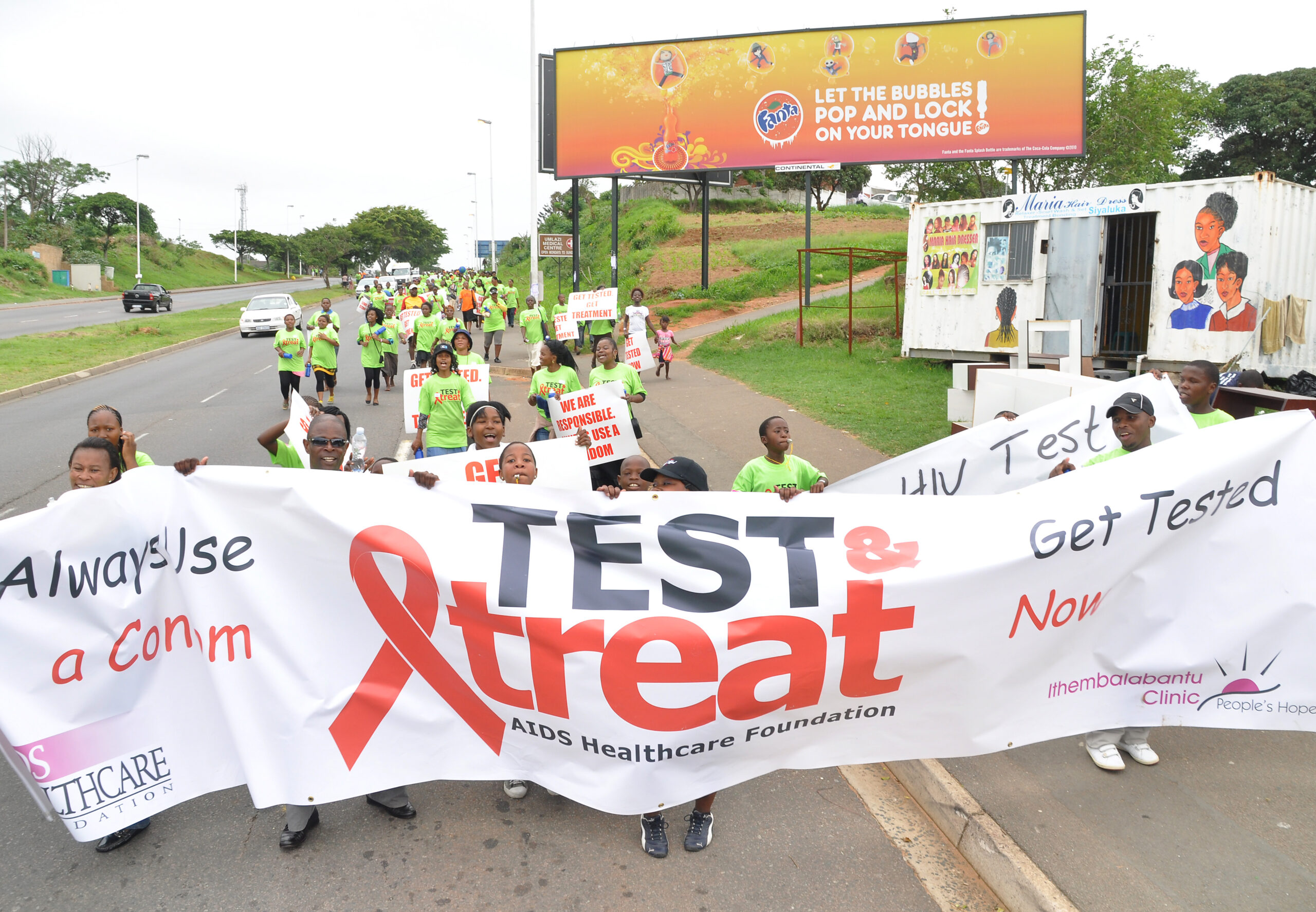
The evidence was mounting: early treatment improves long-term health, reduces opportunistic infections, and dramatically lowers the risk of transmission. Waiting for a person’s immune system to fail before offering care was neither ethical nor effective.
In October 2011, AHF formally reaffirmed its approach through a press statement: test everyone, and treat everyone who tests positive—immediately. No more CD4-based delays. No more missed chances to save lives and stop transmission.
This model—Test & Treat—was already being implemented across AHF programs worldwide. What the organization declared publicly was simply what it had come to see as essential through years of hands-on work: diagnosis must be linked directly to care.
At the time, WHO had not yet endorsed this approach. Most governments and global agencies continued to follow the older CD4-based guidelines. But AHF pressed forward—partnering with governments and communities to put Test & Treat into practice, even without formal global endorsement.
It wasn’t until 2015—four years after AHF publicly stated its Test & Treat model and after years of strongly advocating at WHO in Geneva—that WHO finally updated its global guidelines to recommend immediate treatment for all people living with HIV, regardless of CD4 count.
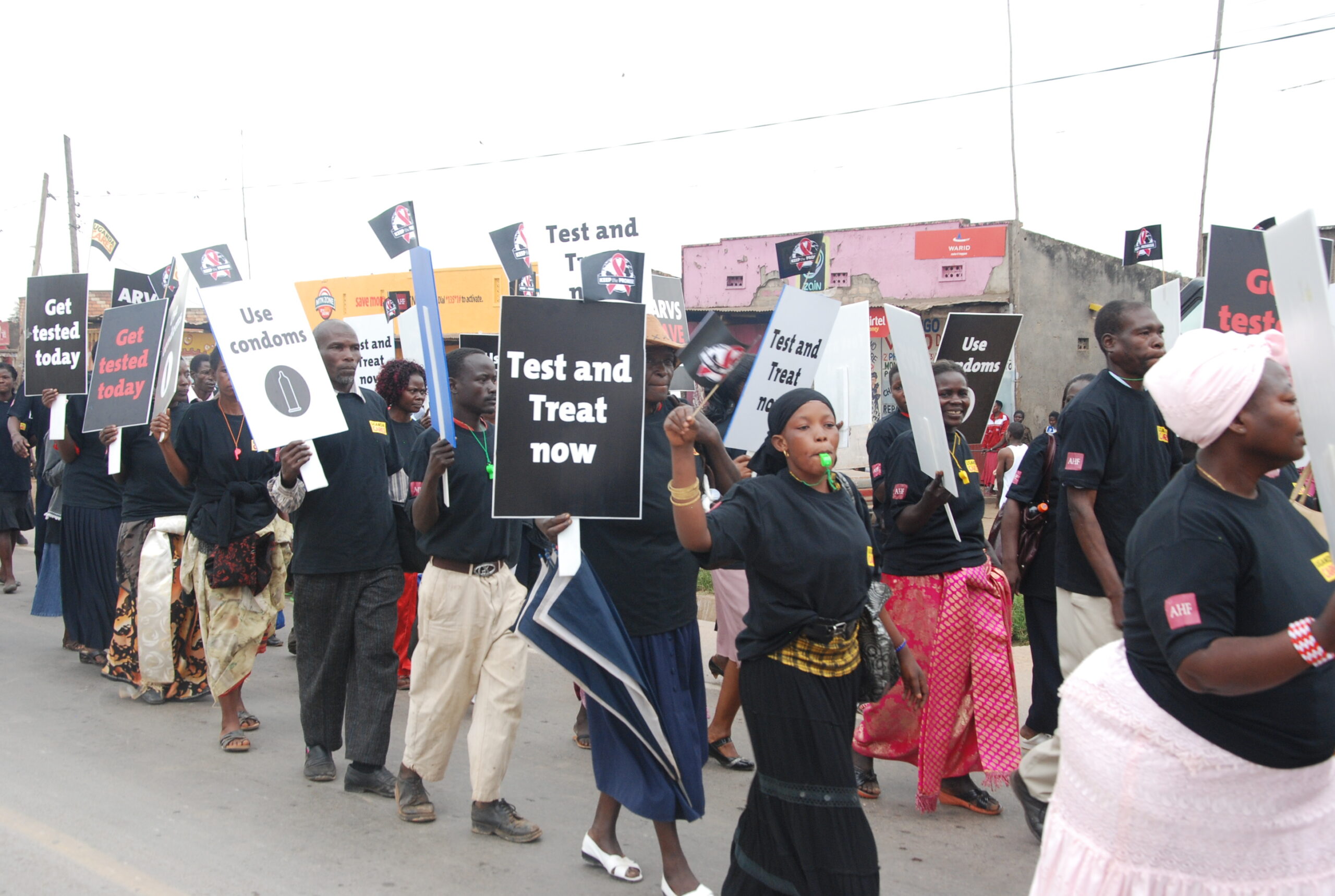
This change represented a landmark shift in HIV policy, backed by major clinical studies and hard-won advocacy. It validated what AHF and other front-line organizations had been saying for years: treatment should never be delayed.
Today, Test & Treat remains central to AHF’s global mission. In collaboration with governments and grassroots partners, AHF continues to provide free testing and immediate treatment access in more than 45 countries—from Cambodia to South Africa to Ukraine.
This model is no longer controversial—it is standard. But it began as a bold refusal to accept outdated norms and needless suffering, and just taking action and getting it done.
Have an archival request? Fill out the form here.