
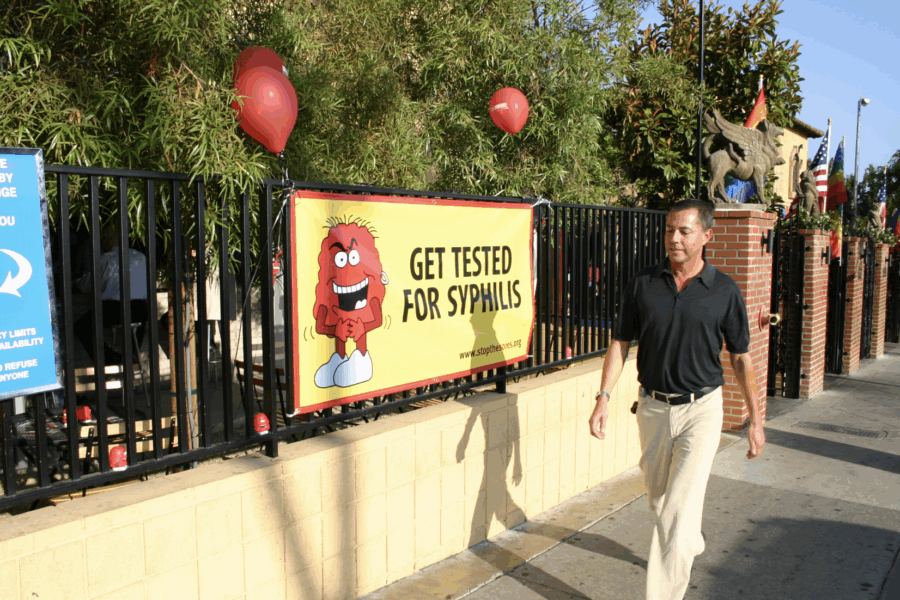
In June 2002, AHF launched the Stop the Sores campaign in response to a troubling increase in syphilis cases among men who have sex with men (MSM) in Los Angeles County. At the center of this initiative was Phil the Sore, a distinctive mascot created to personify syphilis in a way that was noticeable, approachable, and effective. By avoiding fear-based messaging, the campaign reduced stigma and encouraged open dialogue, while underscoring the importance of regular syphilis testing.
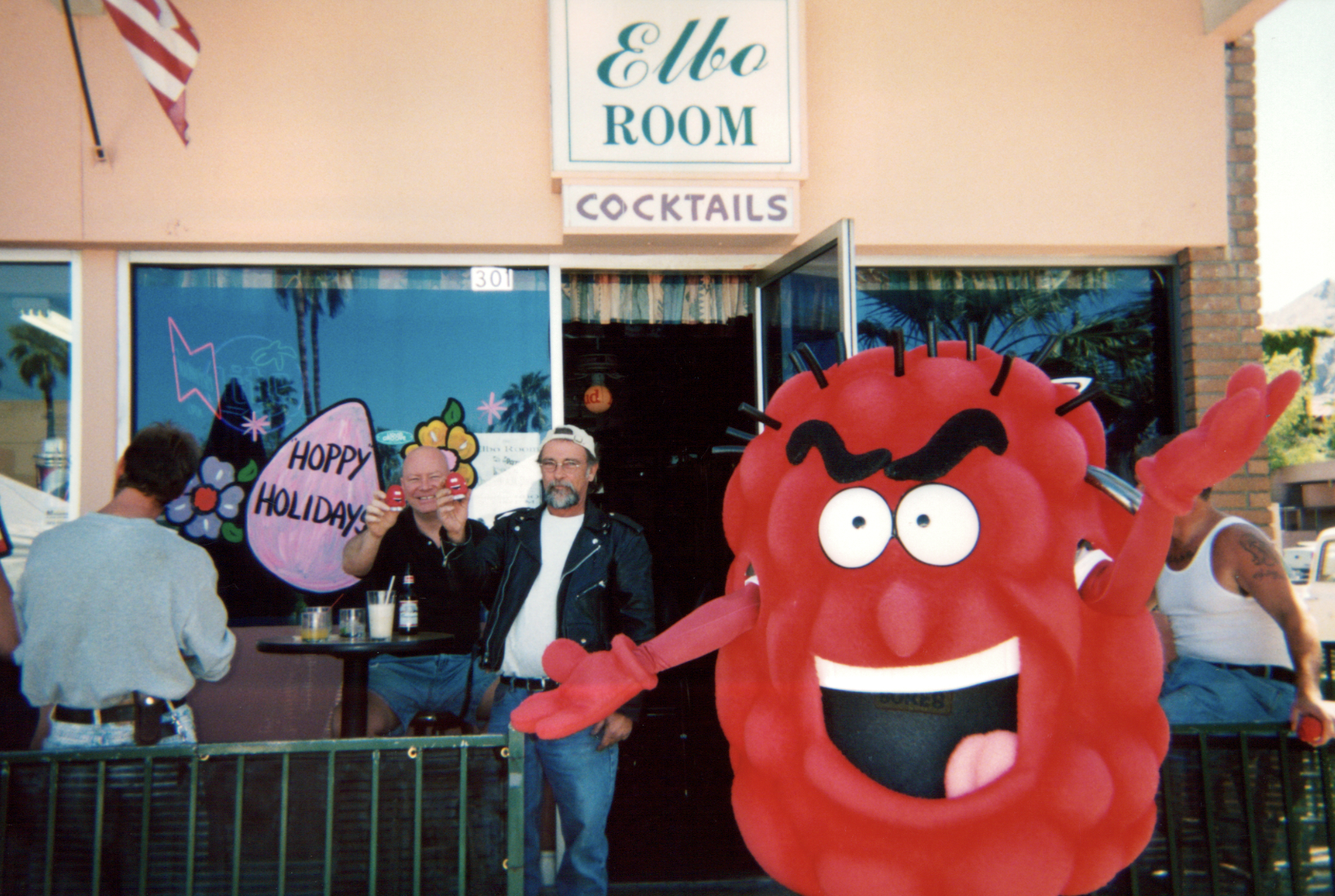
The Stop the Sores campaign was carefully designed using principles of social marketing, ensuring that its approach was both evidence-based and community-centered. AHF partnered with the Los Angeles County Sexually Transmitted Disease Program and community stakeholders to create messaging that was relatable and accessible. Through audience segmentation, branding, and diverse outreach channels, the campaign achieved wide visibility while maintaining credibility with the communities it sought to reach.
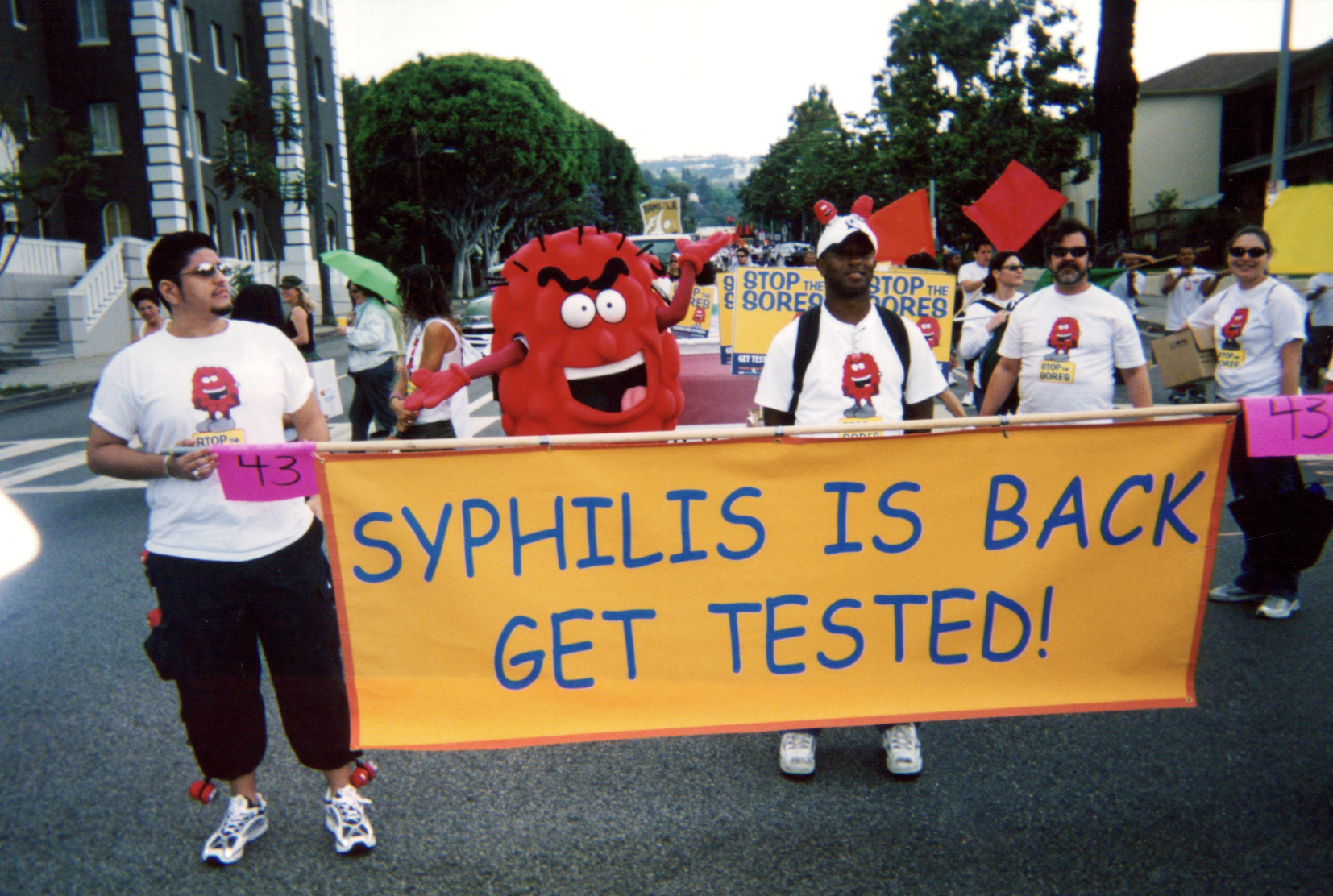
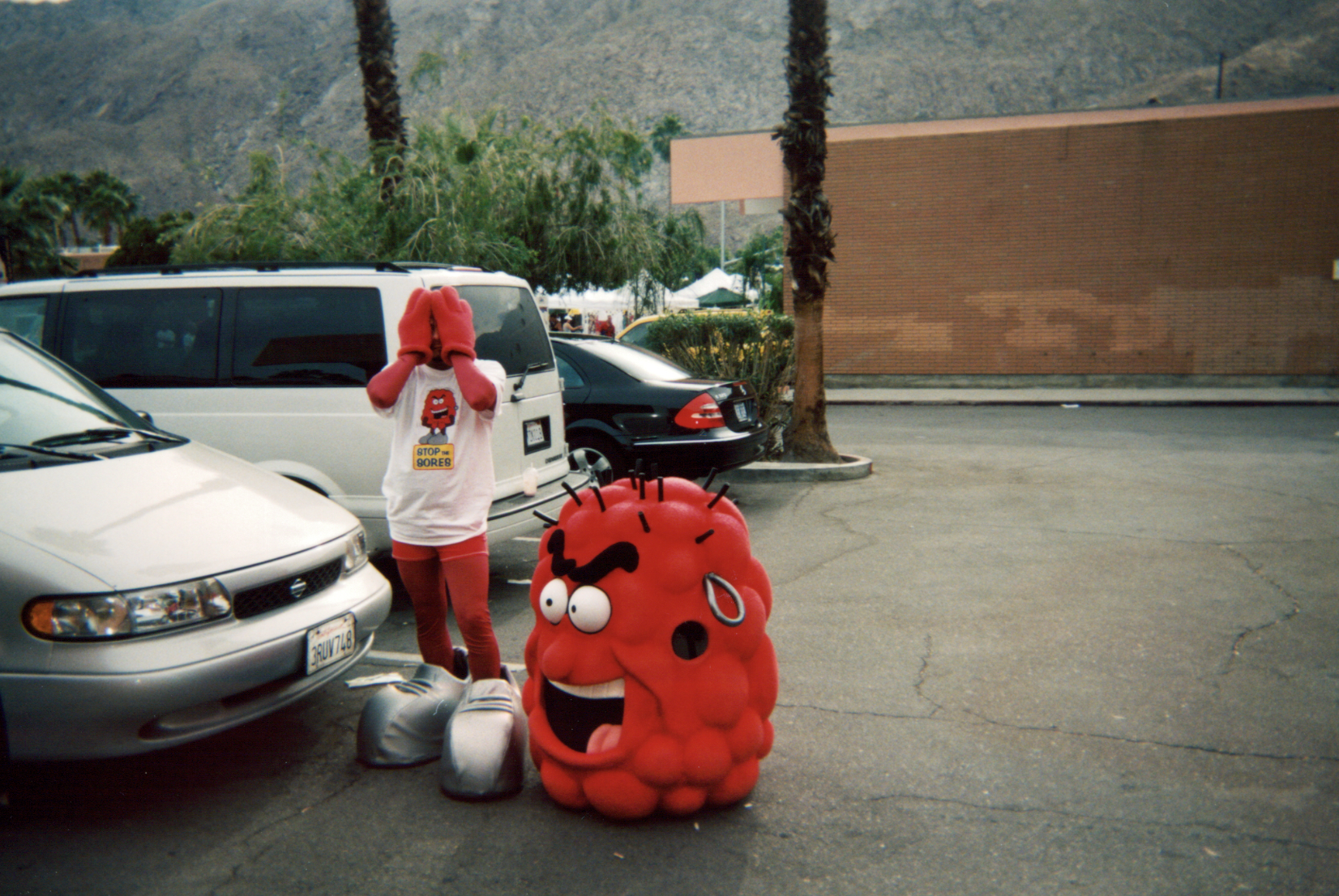
A defining feature of the campaign was its use of humor and creativity to address a sensitive public health issue. By personifying syphilis as Phil the Sore, the initiative presented a health threat in a lighthearted but memorable manner. This creative strategy allowed for engagement in settings such as bars, community events, and billboards, making the message both culturally relevant and easily recognizable. Rather than instilling fear, the campaign promoted empowerment and proactive health behaviors.
The effectiveness of the campaign was supported by measurable outcomes. Men who reported seeing or hearing about Stop the Sores were nearly twice as likely to have undergone syphilis testing within six months compared to those unaware of the campaign. In addition to increased testing, the campaign contributed to higher levels of awareness and knowledge about syphilis transmission and prevention. While the evaluation relied on convenience sampling, the results nonetheless demonstrated a clear association between campaign exposure and positive public health behaviors.
AHF’s Stop the Sores campaign remains a notable example of how public health messaging can balance creativity with effectiveness. By combining humor, cultural awareness, and research-driven strategies, the initiative successfully engaged its target audience while achieving measurable improvements in testing behavior. More than two decades later, Stop the Sores continues to serve as a model for how public health organizations can design innovative campaigns that foster awareness, reduce stigma, and promote community well-being.
Have an archival request? Fill out the form here.