

As the summer comes to a close, the harvest season approaches in the northern hemisphere, and the sowing season starts in the southern hemisphere. AHF teams across five continents will participate in these annual rituals with AHF country teams’ Food for Health farms while the program celebrates its fourth anniversary.
Launched in August of 2021, the AHF Food for Health program aims to connect people living with HIV to a steady source of nutritious food to help them maintain their health and stay on HIV/AIDS treatment. Food insecurity poses a large risk for adherence to antiretroviral therapy (ART) as it lowers clients’ immune systems and leads to clients being unable to attend treatment and healthcare appointments.
The programs operate in nearly 10 countries, including the U.S., Ukraine, South Africa, and Vietnam, to name a few, and host farms that produce a variety of produce and meat that clients can receive as food packages, sometimes alongside additional food vouchers. Some of the farms are even tended to by clients, who can benefit from agriculture and business training classes or provide the supplies and training for clients to grow food at their own homes to generate both food and a source of income.
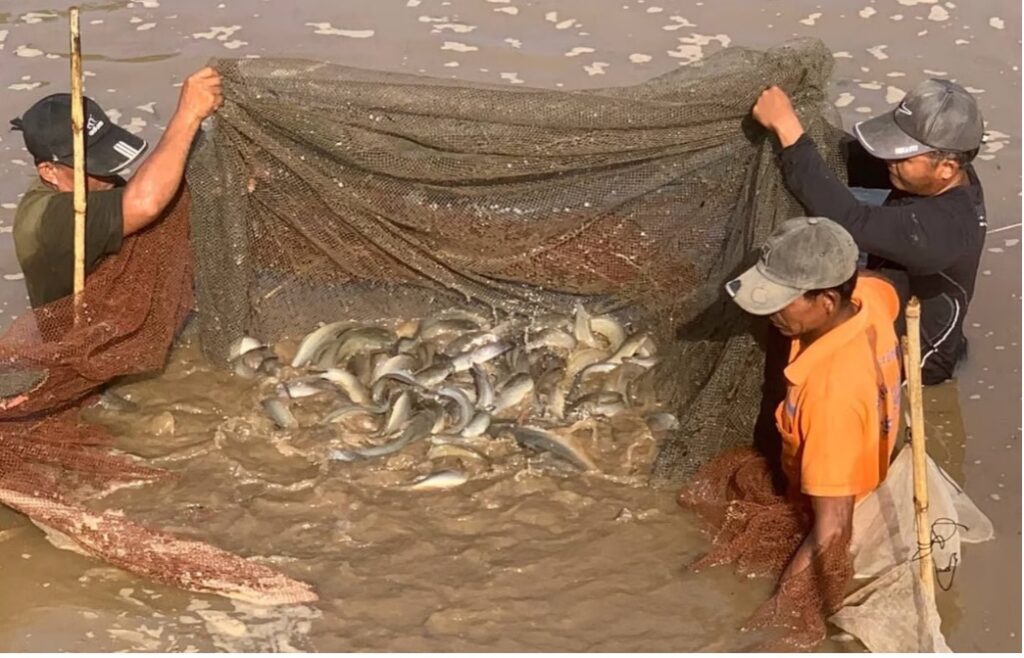
In Cambodia, the country team runs a fish farm that generates over 10,000 fish a year and feeds over 1,000 families in a country where salted fish is a delicacy. The farm is tended to by AHF clients and staff, IMPLUSE members, and participants from Girls Act, making the project collaborative and far-reaching for the local community.
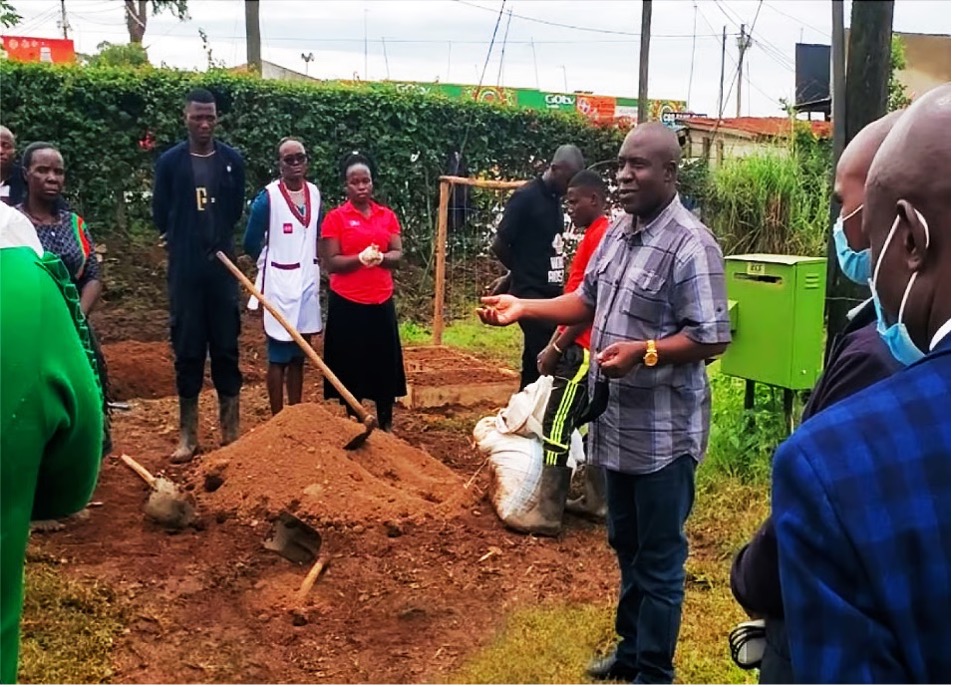
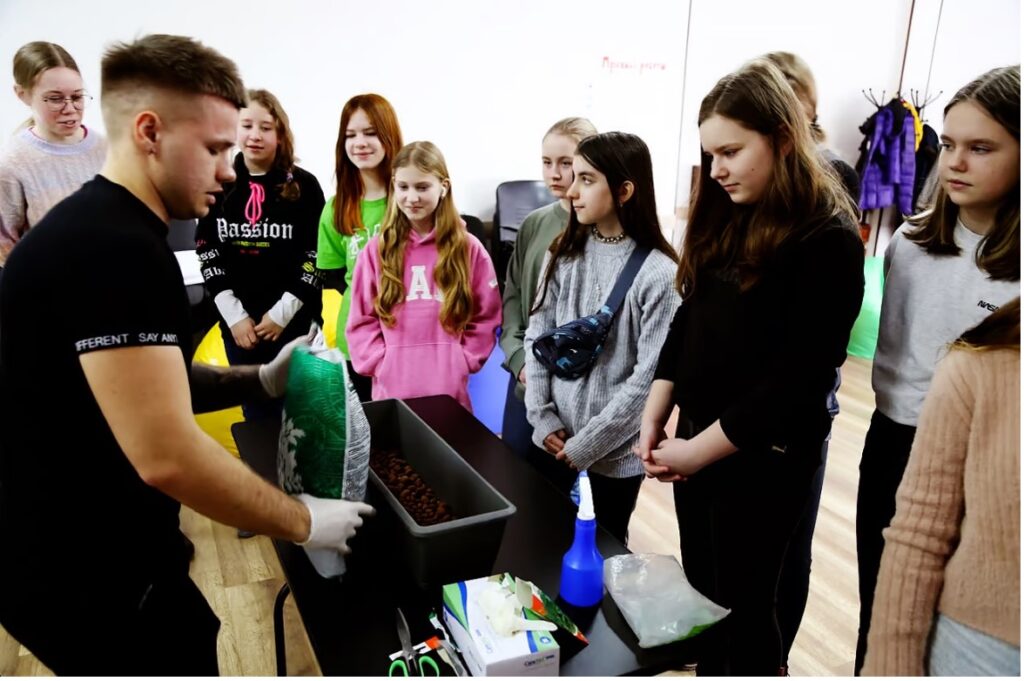
Other farms include greenhouses in Zimbabwe, chicken coops in Lesotho, community gardens in Uganda, and mushroom, cattle, chicken, and pig farming in Vietnam. The Ukraine teams’ program is uniquely located in a city, so Girls Act members and their families receive materials and lessons to create their own gardens on apartment balconies and information on healthy eating practices.
In South Africa and Laos, clients independently operate their programs’ gardens and teach fellow clients the skills to replicate the gardens at home. The U.S. programs were the first to be introduced, and teams host food pantries in Los Angeles, Florida (with partner Broward House) and Long Beach (with partner Long Beach Community Table).
Food for Health director Carlos Marroquin says, “Food insecurity is real and affects people unimaginably, so we set up our programs to reach the most affected communities. Seeing the immediate impact on people’s lives is extremely rewarding when they get the food they desperately need. Food is medicine — food is life!”
Have an archival request? Fill out the form here.